Upcoming Event: Oden Institute Seminar
Just Breathe: the Mechanics of the Lung
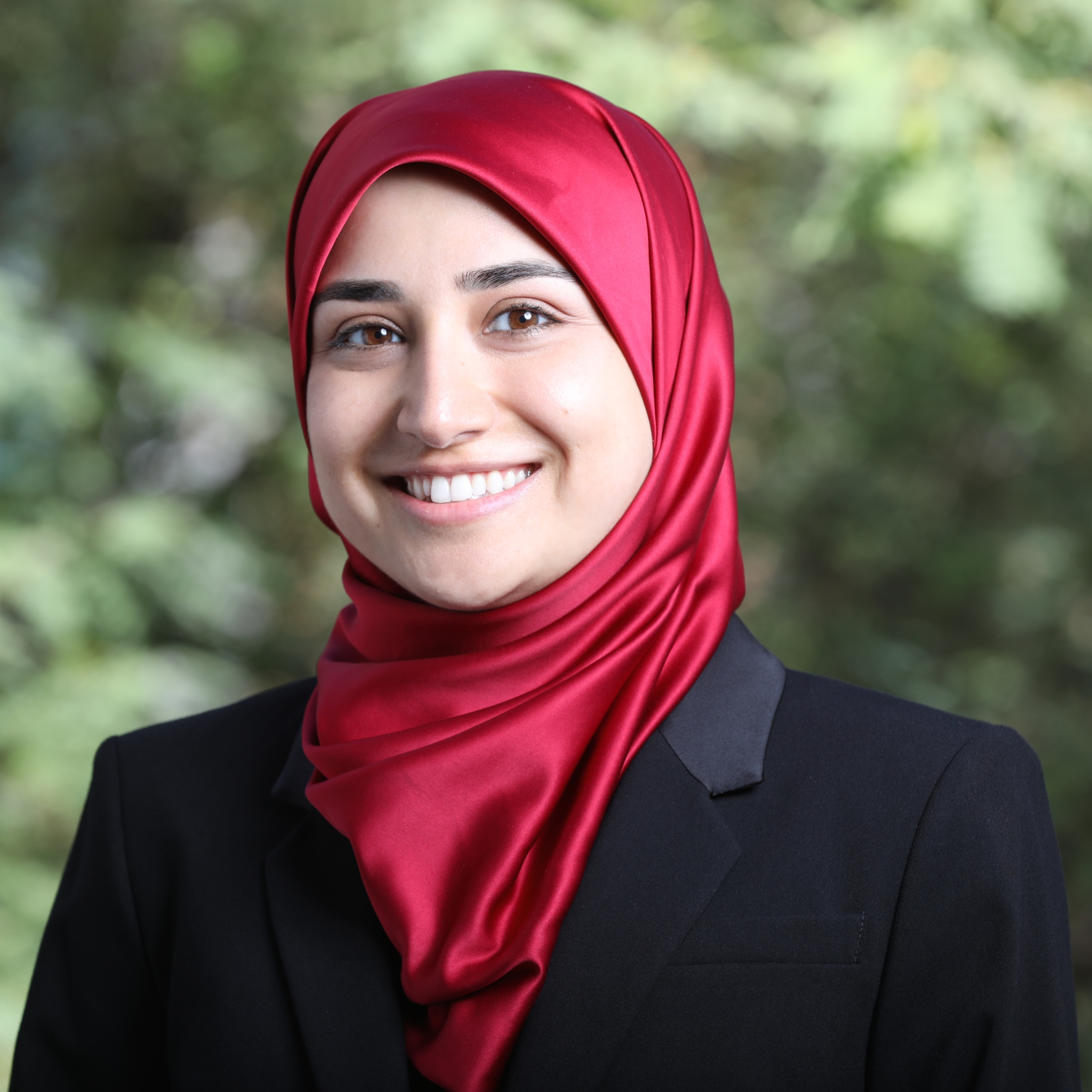
Mona Eskandari, Assistant Professor, Mechanical Engineering, University of California Riverside
3:30 – 5PM
Thursday Apr 9, 2026
POB 6.304 and Zoom
Abstract
We rely on our lungs to take more than 20,000 breaths per day and are often incognizant of the complex mechanics governing this critical organ. But compromised pulmonary function can be detrimental to our quality of life. Lung disease is the leading cause of morbidity and mortality globally, and even more prevalent with increasing air pollution and in the wake of COVID-19; half a billion individuals world-wide grapple with the incapacitating challenges of respiratory disease, with staggering costs projected to rise to nearly five trillion dollars by the year 2030. Concerningly and paradoxically, certain prevalent pulmonary interventions intended to help patients can cause respiratory damage (e.g., ventilator induced lung injury, VILI). To understand why such damage occurs, we designed and built an innovative electro-mechanical multi-apparatus interface to probe the (non-)equivalent mechanics of artificial positive-pressure ventilation versus natural negative-pressure breathing (PPV vs. NPV). Our platform offers novel spatiotemporal insights by coupling previously siloed analyses of global lung pressure-volume loads to local finite tissue strains, while minimizing confounding factors by comparing ventilation modes applied to the same lung specimen. Our methodology offers unparalleled structural characterization capabilities and exclusive evidence demonstrating that while global PPV and NPV responses may match, local stretch and distortions along with organ energetics and viscoelasticity of NPV are notably reduced, expounding why injury potentially results from PPV. This powerful experimental approach sheds light on a long-standing debate in pulmonary medicine, and informs the development of our predictive computational breathing lung models to emulate the strain profile of a physiological breath by strategically altering ventilation maneuvers. Such advancements can ultimately improve patient outcomes.
Biography
Professor Mona Eskandari is founder of the bioMechanics Experimental and Computational Health (bMECH) laboratory, a world-renowned pulmonary mechanics research group, focusing on structural lung function at the organ-, tissue-, and micro-scale. She is best recognized for pioneering experimental technologies, such as innovative breathing mimicry platforms interfacing with adapted digital image correlation methods to enable unprecedented quantification capabilities for examining rapid and finite breathing mechanics, and for developing predictive computational tools to inaugurate novel diagnostic techniques for medical intervention. As faculty of the Department of Mechanical Engineering and the School of Medicine's multidisciplinary BREATHE Center at the University of California Riverside, her lab is funded by federal institutions and industry. She holds the title of Distinguished Teaching Professor, and has received several prestigious national and international research awards and fellowships, including the K.P. Cross Future Leader of Higher Education Award from the Association of American Colleges and Universities. She conducted her postdoctoral fellowship at UC-Berkeley, and received her PhD and master's degrees from Stanford University, and her bachelor’s degree from the University of Arizona as a Nugent Medalist.
Event information
Thursday Apr 9, 2026